
Dubai Visa Update for Indians: New On-Arrival Privileges and Requirements
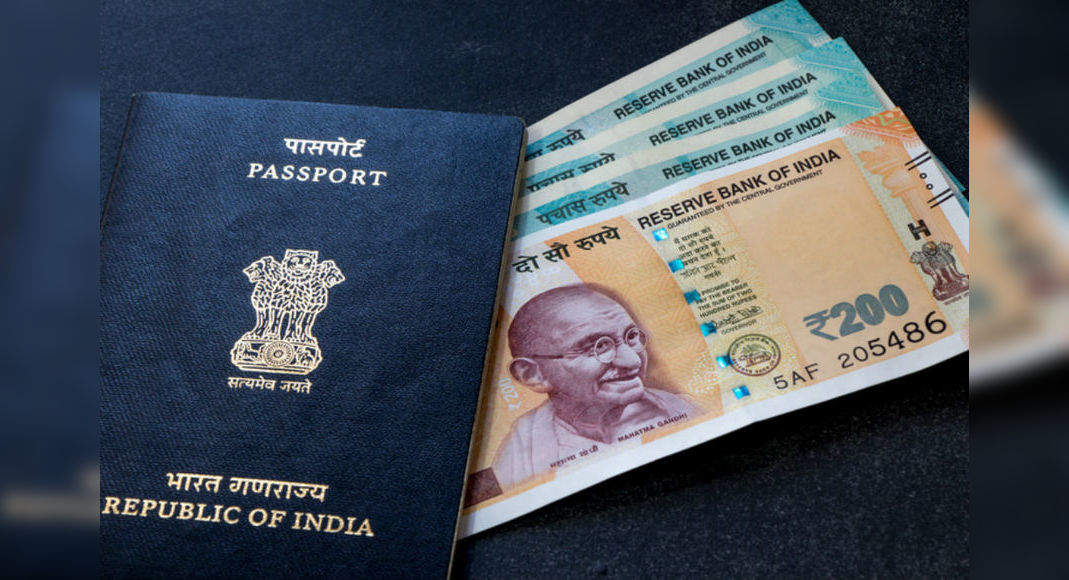
As of January 7, 2024, eligible Indian residents are now entitled to a simplified visa-on-arrival system which does not have any requirements about previously prepared visas. That is a very big adjustment to the existing visa regulations in Dubai that provide qualified guests with a 14 days and one entry visa upon arrival at the Dubai International Airport. Nevertheless, to prevent the risk of having their UAE visit visa rejected at the customs checkpoints, the travelers are subject to some eligibility criteria.
Indian passport holders must have proper documents from certain countries in order to use the visa-on-arrival service, which costs USD 63. A valid US Green Card or permanent resident status with at least six months left on it, a valid UK visa (including digital e-Visas), a valid residence permit issued by an EU member state or any other EU country, or a residence permit from Australia, Canada, Japan, New Zealand, the Republic of Korea, or Singapore with at least six months left on it are all qualifying requirements.
Essential Documentation to Prevent UAE Visit Visa Rejection
According to the Dubai visa new rules, merely meeting the qualifying standards does not promise easy entry. To avoid having their UAE visit visa refused, Indian tourists must provide thorough paperwork at immigration. It is a normal criterion that, when ignored, leads to a startling number of passport rejections: the passport itself must be good for at least six months after the planned trip dates.
In addition to having a valid visa, passengers must have color photos that match certain standards, filled-out application papers that are available in Arabic or English, and approved hotel plans for the length of their stay in the United Arab Emirates. A valid tenancy contract having the relative’s name—specifically, only the father, mother, brother, or sister—must be shown by guests living with relatives. In these cases, it becomes important to provide documentary proof of these links, such as birth certificates, marriage certificates, or family records.
According to the new rules for Dubai visas, flight paperwork is very important. Passengers are asked to provide copies of their codeshare or return tickets with “EK” codes and ticket numbers starting with “176.” Flight bookings’ departure and return times must match exactly with hotel reservations; any differences might result in the denial of a UAE travel visa.
Common Triggers for UAE Visit Visa Rejection Under New Regulations
A number of reasons continue to lead to visa rejections upon arrival, even with the streamlined processes brought about by the updated Dubai visa regulations. One of the most common problems is insufficient validity times on qualified papers. Regardless of the quality of the other papers, an Indian tourist with a US visa that is just four months old would be automatically rejected as they do not meet the six-month minimum requirement.
Red flags are raised right away when supporting papers are unclear. When hotel bookings start on March 16 but aircraft tickets show Dubai arrival on March 15, immigration officials may assume a lack of planning or even illegal activity, which increases the likelihood that a UAE travel visa will be refused. In a similar way, ambiguous or missing accommodations raise questions about the validity of the stay.
Approval chances are greatly impacted by past immigration infractions in the UAE or other countries. Even short-term overstays result in permanent records that immigration officials may study instantly. Regardless of whether they meet the exact eligibility requirements, travelers with such histories are subject to greater scrutiny and even refusal under the current Dubai visa new regulations.
Extensions and Additional Considerations
It is possible to extend the 14-day visa given under the new Dubai visa rules, but doing so means going to the airport offices in particular. Original passports and ticket papers are needed for renewals; photocopies or digital copies are not accepted. Due to this requirement, tourists who are thinking about extending their stay must make suitable plans, accounting for possible processing times and ensuring visa availability during the application period.
In some situations, authorities could ask for more paperwork than is usually needed. Immigration officials are still free to request additional documentation of a person’s financial stability, work situation, or reason for travel. Even if they aren’t directly included in the basic criteria, travelers should prepare supplemental papers such bank statements, job letters, or thorough itineraries to answer any questions that would otherwise lead to the rejection of their UAE visit visa.
Maximizing Success Under Current Regulations
Careful planning and attention to detail are required to successfully handle the modified Dubai immigration regulations. Before making trip plans, Indian nationals should check their eligibility and make sure all needed residency permits and visas are still current. Efficient immigration handling is made possible by carefully arranging papers, keeping originals and copies separate.
Setting reasonable standards is helped by understanding that these rights are possibilities rather than promises. Eligible visitors greatly benefit from the new Dubai visa regulations’ shortened processes, but meeting technical criteria does not take away immigration officials’ ability to evaluate each case on its own grounds. The basics of avoiding UAE visit visa rejection and having a hassle-free Dubai experience continue to be transparency, thorough paperwork, and sincere travel goals.