
First Time Experience of Qatar – Living Between Desert Camps and the Doha Skyline
Driving from Hamad International Airport, you can see many versions of the country along the way, and get to Corniche, Souq Waqif, or a desert road without planning the day around travel. It makes late nights at Souq Waqif easy to settle into – wandering those alleys at 11 pm with grilled meat smoke in the air is usually why people end up staying longer than they meant to.
The towers of West Bay are visible from here, but this market was already established centuries before any of that showed up.
Qatar’s Night Scene Shaped by Culture Law and Everyday Norms
Life in Qatar follows strict Sharia law, so you won’t find any nightclubs here – what you get are late-night cafes all over Souq Waqif, where people sit past midnight drinking karak tea and smoking shisha.
Hotel bars and rooftop lounges serve alcohol for those over 21, with places such as Wahm at W Doha or Iris at the Ritz-Carlton Sharq Village hosting live music and themed nights, but even those stay low-key. Casinos face similar scrutiny, as they’re completely banned under Qatari law, with huge fines or imprisonment for anyone caught gambling in public.
It’s nothing new for locals, so tourists looking for casino resorts also quickly find out the only way to play poker or blackjack is through Qatar online casinos, where blockchain keeps transactions encrypted and private. Quick travelers, in particular, usually play a few hands, cash out crypto in seconds, and move on once the night starts properly.
Sure, it’s quieter than most cities, but people stay out late anyway – eating for hours, taking boat rides on the Corniche, and sitting in cafes until the call to prayer.
Souq Waqif Stays Open Past Midnight with More Locals Than Visitors
It’s the most visited spot in Qatar by far, a 250-year-old Bedouin market that got completely rebuilt after it was destroyed by a fire in 2003. And it works – falcon sellers are real, the spice vendors have been there for decades, and the gold section does real business with locals buying wedding jewelry.
The place wakes up around 7 pm when it gets colder, and that’s the perfect time to go eat Persian at Parisa, surrounded by hand-painted tiles and thousands of tiny mirrors, grab Syrian mezze at Damascus One, or just wander until you find a rooftop cafe overlooking the old mosque.
Most shops stay open until midnight or later, but it’s better to avoid the pricier Thursday and Friday nights because that’s when locals have off.
The Inland Sea Sits Where Qatar Almost Touches Saudi Arabia, and You Can Actually Drive There
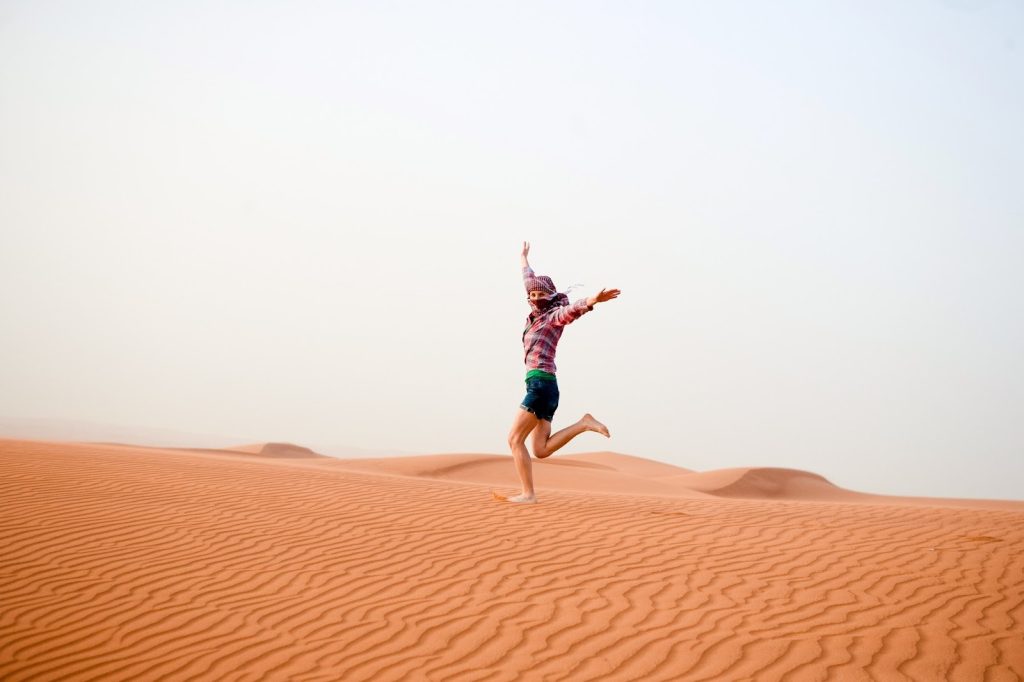
Khor Al Adaid is a UNESCO reserve where sand dunes drop straight into turquoise water, with the Saudi coast visible across the bay – one of only three places on Earth where you can see such a landscape. Getting there means 45 minutes of your driver deflating the tires and pointing a Land Cruiser at dunes that look too steep – something licensed desert drivers handle routinely.
Half-day trips run QR200-500 depending on group or private, and they throw in a quick camel ride for photos, sandboarding down the big dunes, tea breaks, and enough time at the water to grab shots that look nothing like what people expect from Qatar.
Afternoon tours catch the golden hour when everything turns orange, but overnight camping takes it further – Bedouin tents, BBQ under stars with no light pollution, with basic cultural elements depending on the operator. Book through 365 Adventures or Doha Adventure Tours since both have solid reviews and won’t bail on pickup. Just skip the white clothes because sand gets everywhere and doesn’t leave.
Museum of Islamic Art Costs Absolutely Nothing and Competes with Anything in Paris or London
I.M. Pei came out of retirement to design it, spent six months traveling the Islamic world for ideas, then built what looks like a geometric fortress on its own island off the Doha waterfront. Inside, you’ve got more than 1,400 years of Islamic art – ceramics, metalwork, jewelry, textiles, manuscripts from three continents – and it’s free to visit.
The galleries move with chronological order, so Mughal daggers sit alongside Persian carpets and Egyptian woodwork, with enough room to actually see what you’re looking at instead of fighting crowds. The fifth floor has IDAM by Alain Ducasse if you want to drop money on one meal with a sunset view over West Bay.
MIA Park surrounds the building with a Richard Serra sculpture and walking paths where locals run in the evenings, and the museum stays open every day except Wednesday from 9 am to 7 pm – 9 pm on Thursdays if you want to catch it later. There’s a cafe downstairs that makes decent coffee if you need to sit for a minute between galleries, and the whole place is worth the trip even if you are just killing time during a layover.
The Metro System is Cheap and Covers Everything You Actually Need
Qatar built a solid metro system for the 2022 World Cup – three lines, 76 kilometers of track, driverless trains that move fast, and it costs QR6 per day, no matter how many rides you take. Red Line goes from the airport through West Bay, Katara, and Lusail, which covers most of what visitors actually need.
Trains run from 6 am to 11 pm most days, until midnight on Thursday, and 2 pm to midnight Friday because of morning prayers. When the metro doesn’t reach somewhere, Karwa taxis are all over the place – turquoise cars you can wave down or book through their app for QR10-15 on short trips, or just use Uber.
Desert trips or anything outside Doha usually mean renting a car or booking a tour since transit stops at the city limits. Getting into Qatar is easy for most people – over 95 countries get visa-free entry or visa on arrival, just need three months left on your passport, and Qatar Airways passengers with layovers over five hours get free 96-hour transit visas if they want to leave the airport and actually see the city.